
Pelvic Floor Health in Pregnancy: Gentle Guide
· 10 min read · Mama Fern Team

· 10 min read · Mama Fern Team
When you see a positive pregnancy test, you probably think about baby names, nursery colors, and maybe your birth plan. The muscles at the bottom of your pelvis are usually the last thing on your mind. But your pelvic floor quietly carries you and your baby through every trimester, every contraction, and every postpartum diaper change.
If you’ve ever wondered why everyone is suddenly talking about pelvic floor therapy, pelvic floor exercises, and pelvic floor health in pregnancy, you’re in the right place. In this post, we’ll walk through what the pelvic floor is, how pregnancy changes it, and simple ways you can care for this hidden, hard-working part of your body.
Think of your pelvic floor as a small but mighty hammock of muscles and connective tissue at the base of your pelvis. It runs from your pubic bone in the front to your tailbone in the back, and side-to-side between your sit bones.
This muscle hammock has a few big jobs:
In other words, the pelvic floor does a lot more than “Kegels.” It’s a key part of your deep core system. When you’re pregnant, that system is suddenly carrying a lot more weight and responsibility.
If you’ve ever felt like your body is working overtime to hold everything together in pregnancy…you’re exactly right. Your pelvic floor is on the front lines.
From the very beginning of pregnancy, your hormones start to shift. Hormones like relaxin and progesterone soften ligaments and tissues so your body can make room for your growing baby. That softening happens in your pelvis and pelvic floor too.
As pregnancy goes on, a few things happen at the same time:
All of this adds up to a lot more pressure on your pelvic floor muscles. They’re now supporting the weight of your baby, placenta, amniotic fluid, and extra blood and tissue. It’s beautiful, but it’s also demanding.
You might notice:
These symptoms are common, but they’re not something you just have to “put up with” because you’re pregnant. They’re often signs that your pelvic floor needs some attention, support, and maybe gentle retraining.
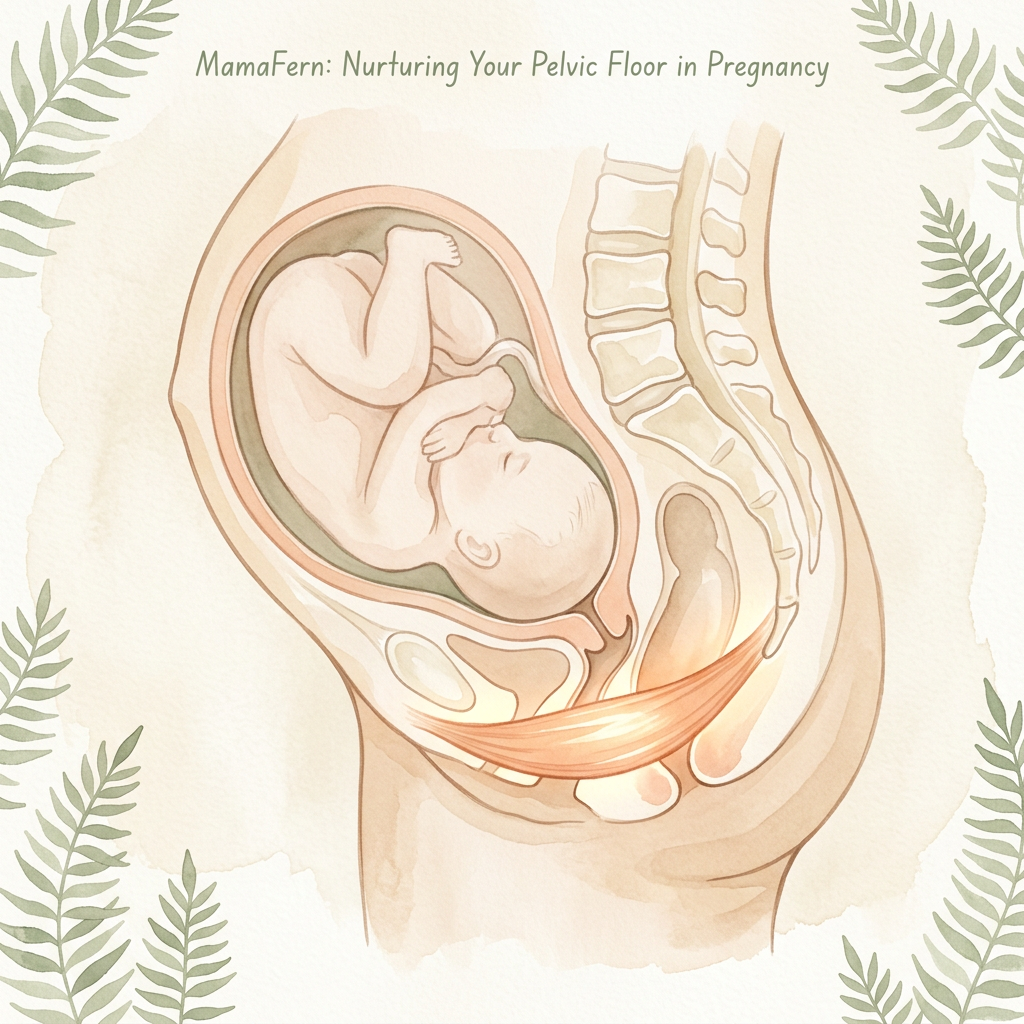
Let’s talk about why caring for your pelvic floor in pregnancy is worth your time and energy, especially when you already feel stretched thin.
Your pelvic floor is literally holding up your uterus, bladder, and bowel. When these muscles are responsive and strong (not clenched, not limp, but working well), they help keep everything supported in a more optimal position.
That can mean:
You don’t have to be “super strong” to see benefits; even gentle, consistent pelvic floor exercises can help.
Leaking pee during pregnancy is common, but it’s also a sign of stress on the pelvic floor and bladder. Many women notice leakage when they:
Pelvic floor exercises in pregnancy can reduce the risk of urinary incontinence and even improve existing leakage for many women. The same is true for bowel control. Healthy pelvic floor function makes it easier to empty your bowels without straining and to avoid accidental leaks.
Pelvic organ prolapse is when one or more of the pelvic organs (like the bladder, uterus, or rectum) drop down and press into the vaginal wall. Pregnancy and childbirth are major risk factors.
Strengthening and learning to relax your pelvic floor muscles, supporting your body mechanics, and getting help early can all play a role in protecting your long-term pelvic health. Think of it as a gift you’re giving your future self, five, ten, even twenty years down the road.
Your pelvic floor doesn’t work alone. It’s part of a team that includes your diaphragm, deep abdominal muscles, and back muscles. When these muscles are communicating well, they help stabilize your spine and pelvis.
For you, that can translate into:
Supporting your pelvic floor is one piece of supporting your whole core in pregnancy.
During labor, your pelvic floor has to do something wild: it needs to be strong enough to cope with the intensity of contractions and pushing, but soft and yielding enough to allow your baby to pass through.
That’s a lot to ask of one group of muscles.
Learning to feel and control your pelvic floor before birth can help you:
This is where pelvic floor awareness goes beyond “squeeze, squeeze, squeeze.” We also need the other half: release.
A well-prepared pelvic floor is responsive, not only strong. It can turn on when needed and let go when it’s time to surrender and bring your baby earthside.
Many of the common postpartum struggles women share with whispered embarrassment (leaking when they return to exercise, pain during intimacy, feeling like something is “falling out,” trouble controlling gas) are related to pelvic floor changes from pregnancy and birth.
The good news: you don’t have to wait until after baby comes to care for your pelvic floor. Starting in pregnancy can:
Think of pregnancy pelvic floor care as setting the stage for postpartum recovery. You’re planting seeds now that you’ll harvest later, when you’re tired, healing, and busy loving on your baby.
You do not need a fancy gym membership or an extra hour in your day to start caring for your pelvic floor. Small, practical habits add up.
A good pelvic floor contraction feels like a gentle lift and squeeze around the vagina and anus, as if you’re trying to stop gas and urine at the same time. Your buttocks, thighs, and abs should stay relatively relaxed.
Then comes the most overlooked part: full release.
Try this:
If you’re not sure you’re doing it right, ask your provider for a referral to a pelvic floor physical therapist. One or two sessions can bring real clarity.
More is not always better. The goal isn’t to clench all day; it’s to build a responsive, resilient pelvic floor.
You might, with your provider’s blessing, try:
You can pair these with daily routines, like after brushing your teeth, during a feeding, or while waiting for water to boil. Quality and consistency matter more than intensity.
Your breath is a powerful tool for pelvic floor health in pregnancy.
You can work with this rhythm in daily life by exhaling on effort: exhale as you stand up, lift a toddler, or carry groceries. This helps you avoid bearing down and pushing pressure into your pelvic floor.
Everyday movement habits can either support or stress your pelvic floor.
Try to:
These tiny shifts may not feel dramatic, but over weeks and months of pregnancy, they reduce the extra load on your pelvic floor.
If pelvic floor health in pregnancy feels confusing or overwhelming, you don’t have to navigate it alone. Pelvic floor physical therapists (sometimes called pelvic health physiotherapists) specialize in:
You do not need to wait until something is “wrong” to make an appointment. A preventative visit in pregnancy is a beautiful act of stewardship over your body.
If you’re a woman of faith, you may find comfort in bringing even your pelvic floor (yes, really) before the Lord. He cares about every part of you, seen and unseen.
Here is a simple prayer you can whisper over your body:
“Lord, thank You for this body that carries life.
Thank You for the muscles and ligaments that quietly support me and my baby.
Please strengthen my pelvic floor where it is weak,
and soften it where it is tight or afraid.
Give me wisdom to care for my body,
courage to ask for help,
and peace as I prepare for birth and postpartum.
Let this hidden work in my body bring You glory
and serve my family for years to come.
Amen.”
If you’ve never thought about your pelvic floor before, you’re not alone. Most of us weren’t taught about these muscles growing up. But pregnancy is a beautiful time to get curious, to learn, and to gently support the core of your body.
You don’t have to do everything perfectly. Small, consistent steps (learning to breathe, practicing a few pelvic floor exercises, asking for a referral to a pelvic floor therapist) can make a real difference.
Your body is doing holy, hard work. Your pelvic floor is part of that story. It’s okay to honor it, protect it, and give it the care it deserves.
We launch March 16th! Get weekly blogs, family style tips, and be first to shop when we open.
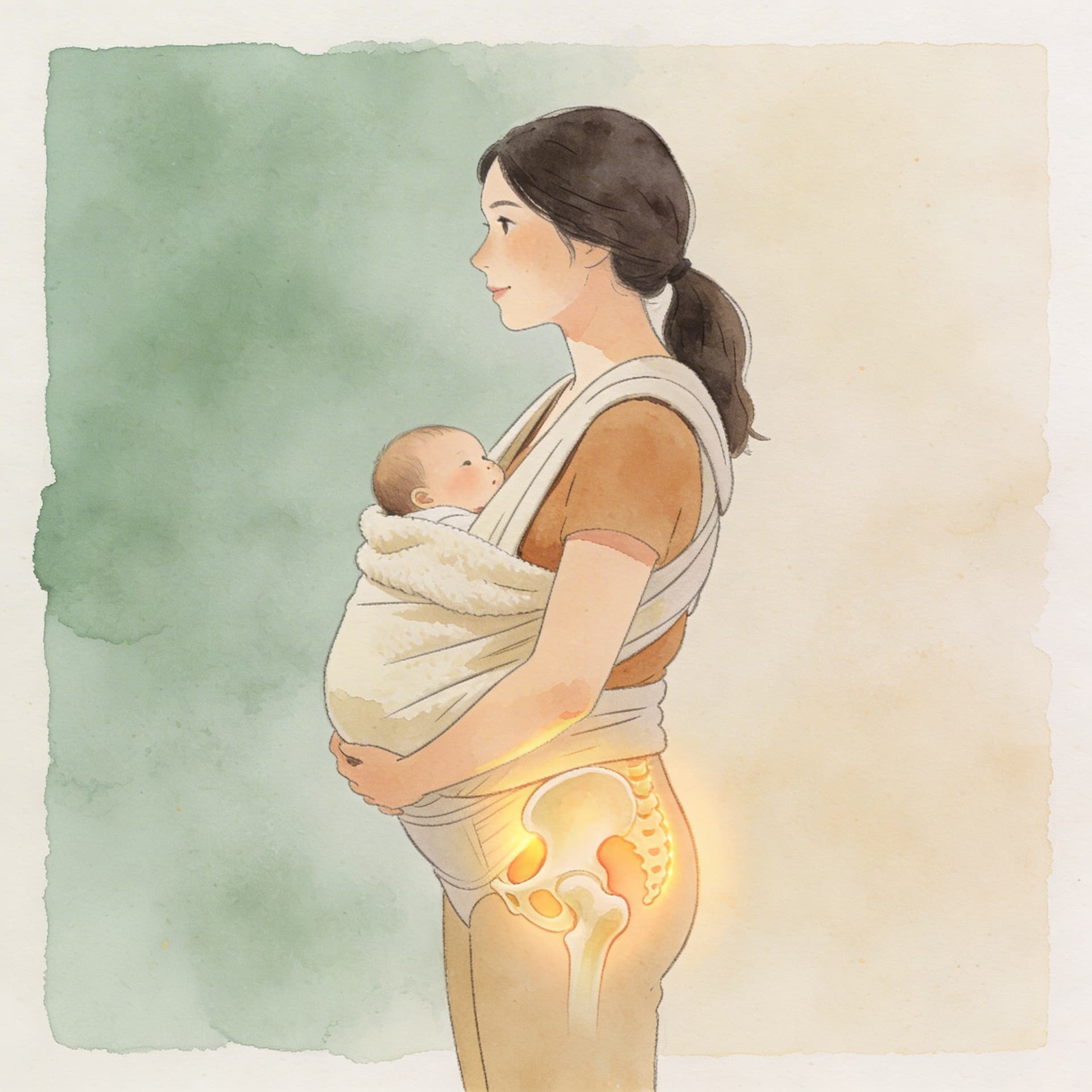
Learn how to support your pelvic floor postpartum with babywearing and breastfeeding, including gentle tips for healing in a low-estrogen season.

How to build a kids' capsule wardrobe for a homeschool family: how many pieces you need, what belongs in it, and why fewer organic basics make the day easier.

Ten real benefits of a natural fiber capsule wardrobe. It saves you time and money, cuts the clutter and the stress, and makes getting dressed easy every day.