Why Earthy Baby Clothing Is More Than a Trend
Walk into any baby boutique in 2026 and you'll notice the shift: muted earth tones have largely replaced the bright primary colors that dominated baby fashion for decades. This is more than an aesthetic choice. It reflects a deeper change in how parents think about what touches their baby's skin.
Earthy baby clothing typically means natural fabrics in organic tones: soft creams, gentle greens, warm tans, and subtle terracotta. It's clothing that prioritizes what's inside (the fabric, the dyes, the construction) as well as what's printed on the outside. Sadly, you do need to be on the lookout for greenwashing so let's tackle Fabric Safety first.
Fabric Safety: What the Research Says
The European Chemicals Agency (ECHA) has identified over 4,000 chemicals used in textile manufacturing, many of which can remain in finished garments. For babies, whose skin absorbs substances at a significantly higher rate than adults, this matters.
Here's what to prioritize:
- OEKO-TEX Standard 100, Class I: The strictest textile safety standard, specifically designed for baby products. It tests for over 100 harmful substances.
- GOTS Certified Organic: Ensures organic fibers from harvest to finished product, including restrictions on dyes and treatments.
- No formaldehyde finishes: Some conventional baby clothes use formaldehyde-based wrinkle-resistant treatments. Always wash new clothes before first wear, and choose brands that avoid these finishes entirely.
For more on this check out our blog post on Best Natural Fabric for Kid's Clothing.
The Earthy Color Palette for Babies
Earthy doesn't mean boring. Here's the palette that creates that warm, grounded nursery-to-outfit aesthetic:
- Cream and oatmeal: The new white. Softer, warmer, and hides minor stains better.
- Sage green: Universally flattering and gender-neutral. Pairs with everything.
- Warm brown and tan: A grounding base color that works for all skin tones.
- Dusty rose: Adds warmth without veering into "baby pink" territory.
- Terracotta and rust: Rich accent colors that photograph beautifully, especially in the fall here in Pennsylvania!
- Muted mustard: A pop of sunshine that stays in the earthy family.
Essential Earthy Baby Wardrobe Pieces
For newborns through 12 months old, focus on:
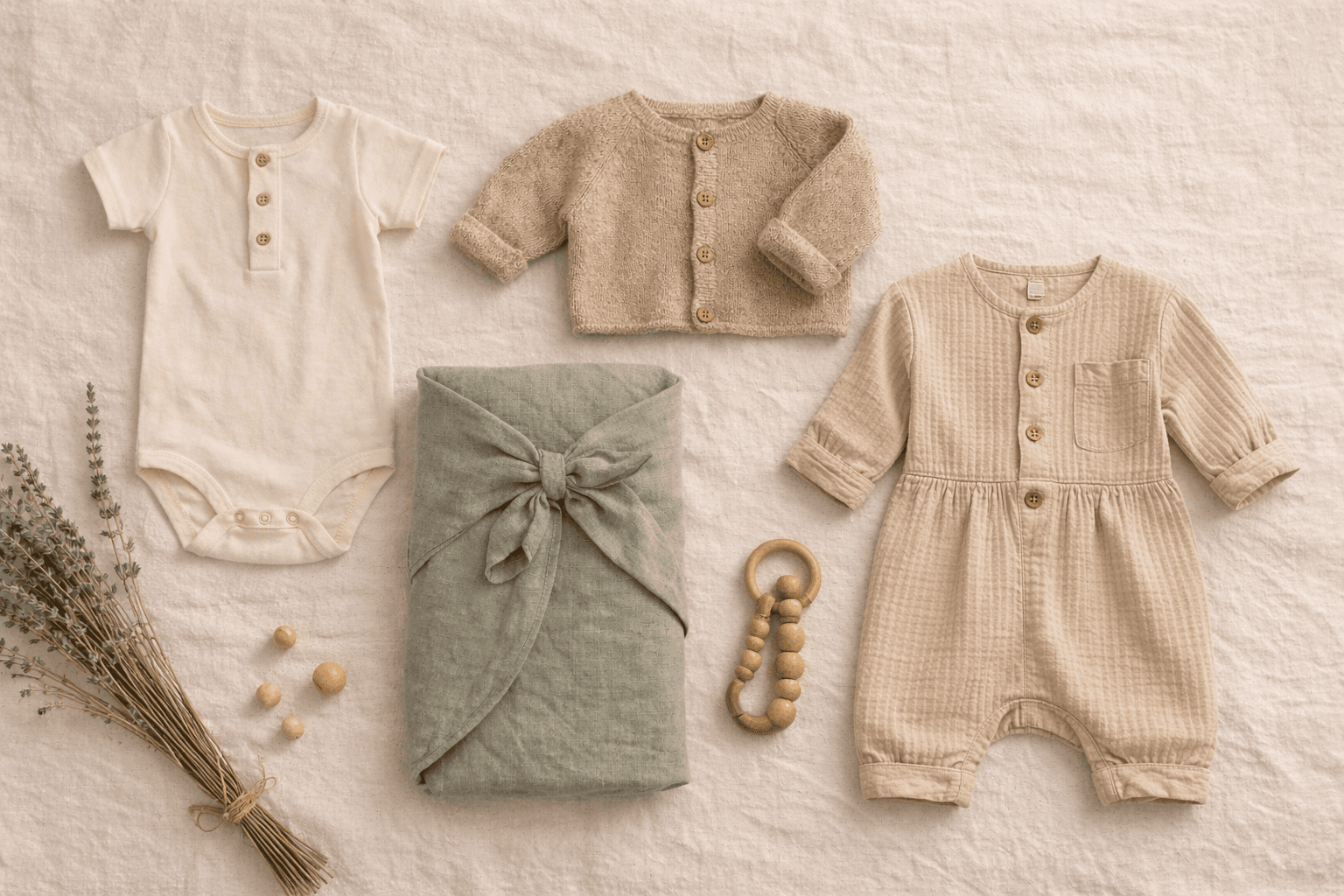
- Organic cotton bodysuits (10): The foundation of every infant wardrobe. Look for envelope necklines for easy dressing and snaps at the bottom for quick changes. As a cloth diaper mama, this was plenty since my babies had often sized up or swapped over to tees to accommodate their fluff butts. These can be quite affordable so having a few more than you need for storing in your diaper bag or car is a great backup. Long sleeve with fold over hands for newborns or winter but short sleeve predominated our capsules.
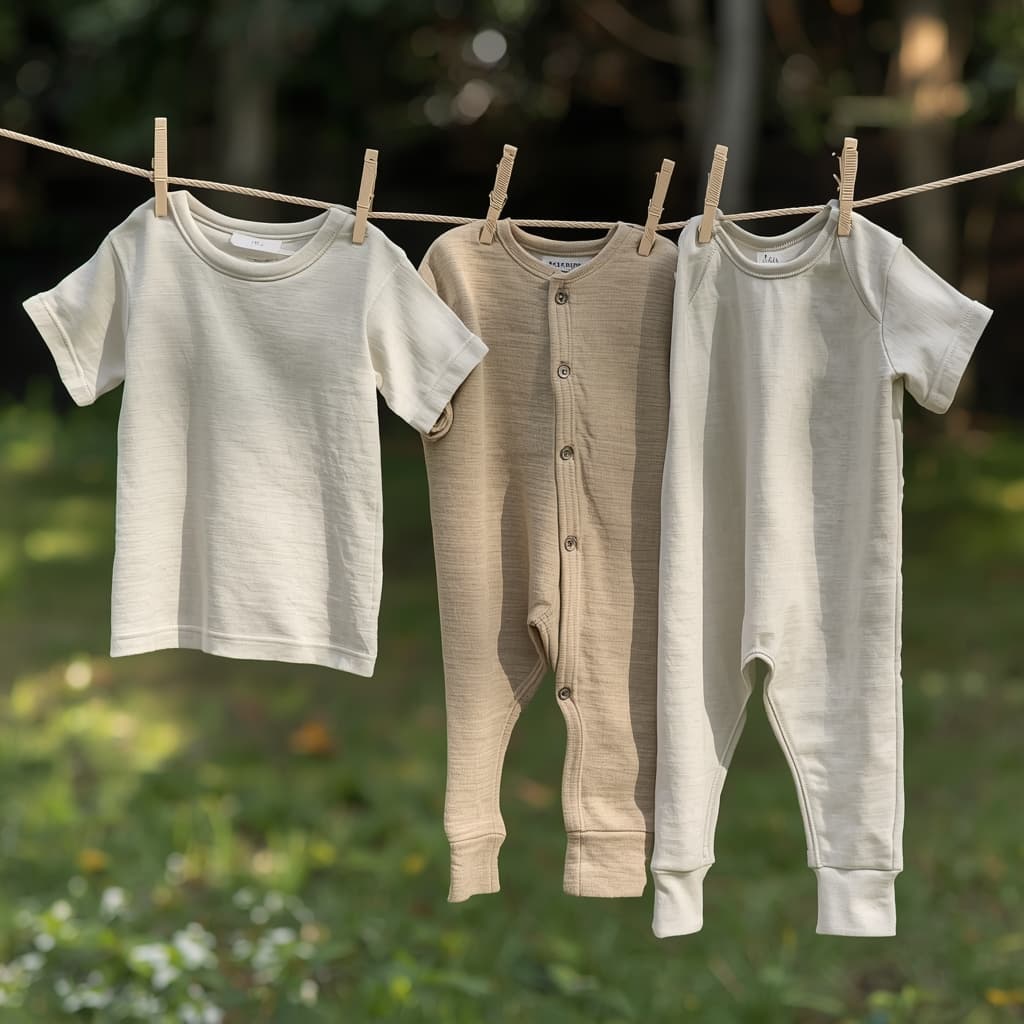
- Soft organic cotton sleepers (6 to 12): Temperature regulation is critical for babies. Natural fabrics help maintain comfortable body temperature overnight. Wool is another great option if you can invest but for these ages, we stuck with organic cotton since we went through a few a day for one reason or another that first year, but especially the first 6 months. We opted for fold over foot and hand options and double zippers or envelope front/back openings.
- Organic Cotton Pants (3 to 4): Stretchy waist, no scratchy tags, optional stretch fold-over feet. Honestly, we rarely put pants on our little one until they became crawlers, around 6 months.
- Light muslin swaddles (2 to 3): Multi-purpose pieces that serve as blankets, burp cloths, nursing covers, and even changing mats. We did not choose to swaddle our little fronds but still loves having one with us all the time.
- A few special outfits: One or two beautiful pieces in your earthy palette for monthly growth photos, family gatherings, special events.
What to Avoid
Some common baby clothing features that seem harmless but are worth skipping:
- Synthetic "quick-dry" fabrics: Often treated with perfluorinated chemicals (PFCs) that are persistent environmental pollutants.
- Bright, heavily dyed prints: More dye often means more chemical processing. Earthy tones naturally require less intensive dyeing.
- Plastic decorative elements: Glitter, rubber prints, and hard appliqués can be choking hazards and may contain phthalates.
- Excessive metal hardware: Snaps and zippers should be nickel-free to avoid skin reactions.
The Mama Fern Approach
At Mama Fern, our infant pieces are designed with every point above in mind. Natural fabrics, muted earth tones, and thoughtful construction that keeps your littlest family member comfortable and safe. Because babies deserve clothing that's as gentle as the arms that hold them!
Practical Tips from Real Parents
We asked parents in our community for their best earthy baby clothing tips:
- Buy one size up: Babies grow fast. Getting slightly larger sizes means longer wear time and a roomier, more comfortable fit.
- Stick to your palette: When everything coordinates, getting dressed takes seconds. That really matters at 3 AM.
- Invest in basics, not outfits: Babies outgrow fancy outfits after one or two wears. Quality basics get worn dozens of times.
- Pre-wash everything: Even organic clothing benefits from a gentle wash before first wear to soften the fabric and remove any residual manufacturing dust. I'll interject here to do so with quality detergent!
Growing Into Your Style
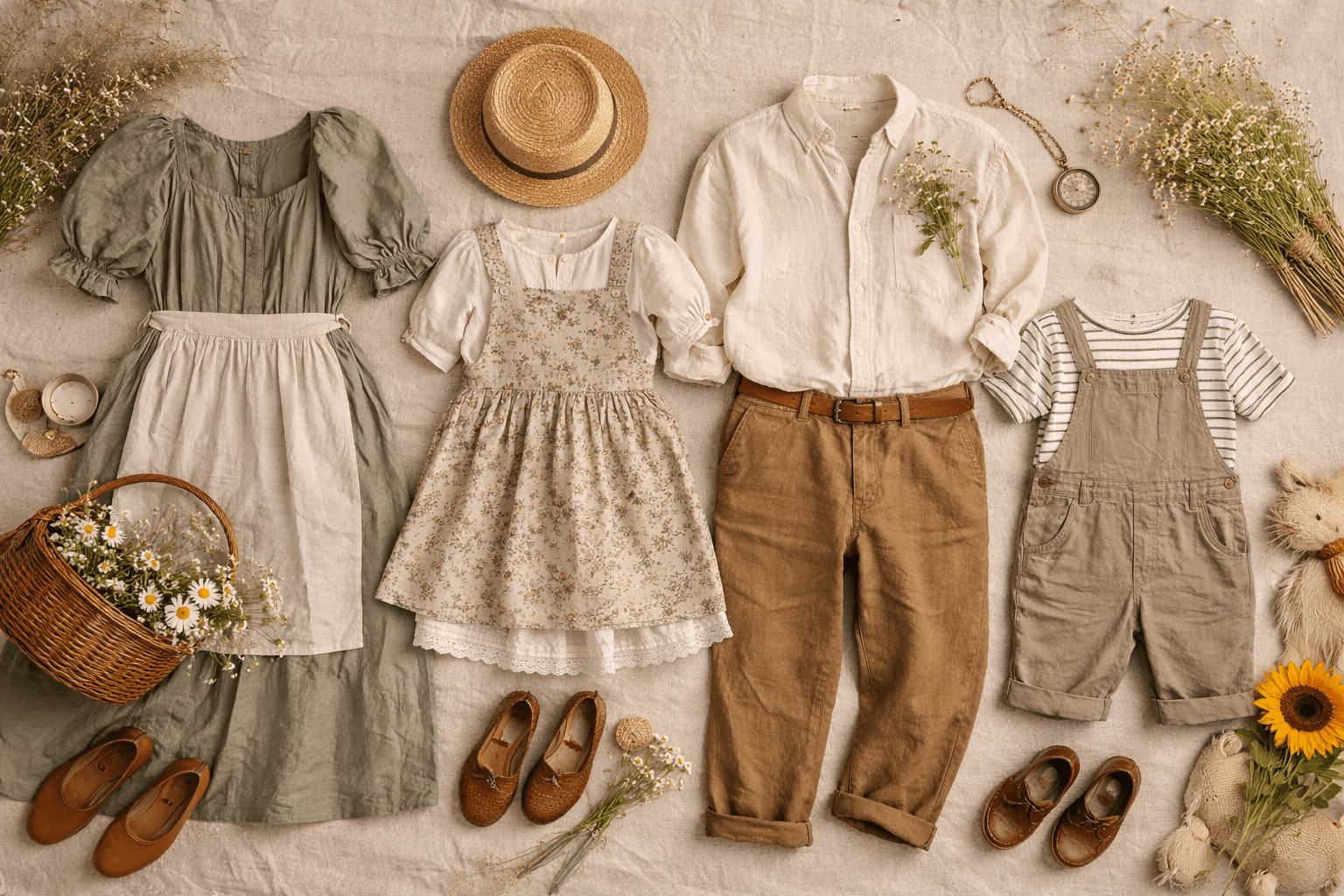
The earthy baby aesthetic naturally evolves as your child grows. Those same sage greens and warm neutrals carry right over into toddler wardrobes, making it easy to build a coordinated family look as your little one moves from onesies to 2-piece outfits.
The best part? When you start with quality natural pieces, many of them last long enough to pass down to the next baby, or the next family. That's real sustainability in action!