Natural Fabric Kids' Clothes: Cotton, Linen, Wool & Hemp
· 5 min read · Mama Fern Team
· 5 min read · Mama Fern Team
Kids are rough on clothes. They crawl, climb, spill, and roll through mud, sometimes all before lunch. But beyond durability, the fabric touching your child's skin matters more than most parents realize.
Children's skin is up to 30% thinner than adult skin, according to research published in the Journal of Investigative Dermatology. That means it absorbs chemicals and reacts to irritants more easily. So choosing natural over synthetic is a practical decision for your child's comfort and health.
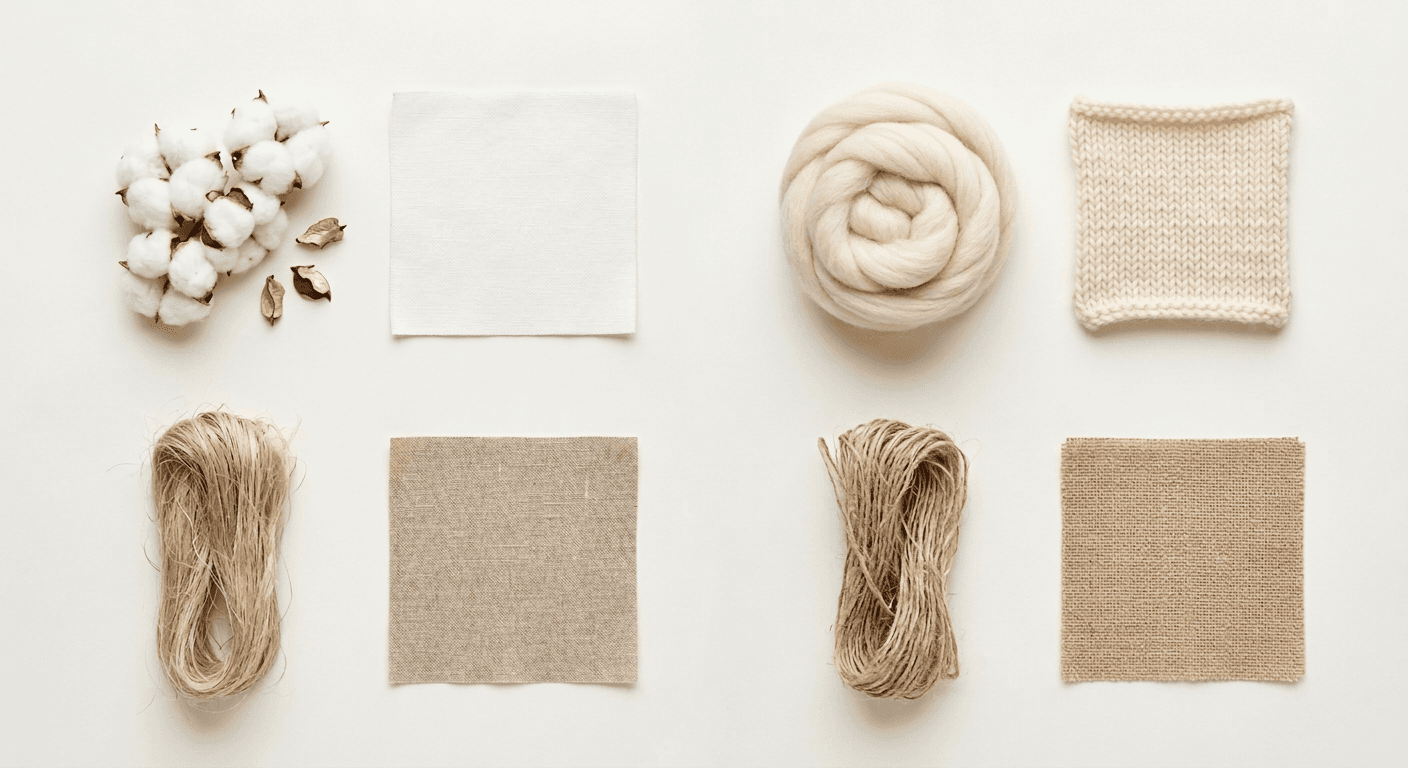
The one we reach for most. Organic cotton is grown without synthetic pesticides or fertilizers, making it safer for both the environment and your child's skin. It's soft, breathable, machine-washable, and gets softer with every wash.
Made from flax fibers, linen is naturally antibacterial and gets softer with age. It's breathable, which makes it lovely for warm weather. The downside? It wrinkles easily, though many parents see that as part of the charm.
Hemp is the most eco-friendly fabric option in this lineup. It needs very little water, grows without pesticides, and even helps restore and aerate the soil it’s grown in. The fibers are strong, often cited as up to three times stronger than cotton, so hemp pieces last a long time. They can feel a bit stiff at first and soften with wear and washing.
Wool, more specifically Merino Wool since it's Mama Fern's favorite, is a naturally renewable, temperature-regulating fiber that’s gentler and less itchy than traditional wool. It wicks moisture, resists odors, and can keep little ones warm in winter while still breathing well in warmer weather. The fibers have a natural stretch and softness that make garments comfortable for everyday wear, though they usually need more delicate washing than cotton.
Not all "natural" marketing claims mean the same thing. Here's what actually matters:
That being said, do we require certifications in our brand or household? NO! This is real life and sometimes we need to pick the best option available. All products are boldly and explicitly advertised with appropriate certifications on each listing so that you can make the best choice for your family and budget.
Start with the pieces that touch skin the most:
At Mama Fern, every piece in our kids' collection prioritizes natural fabrics that are gentle on skin and built to withstand real family life.
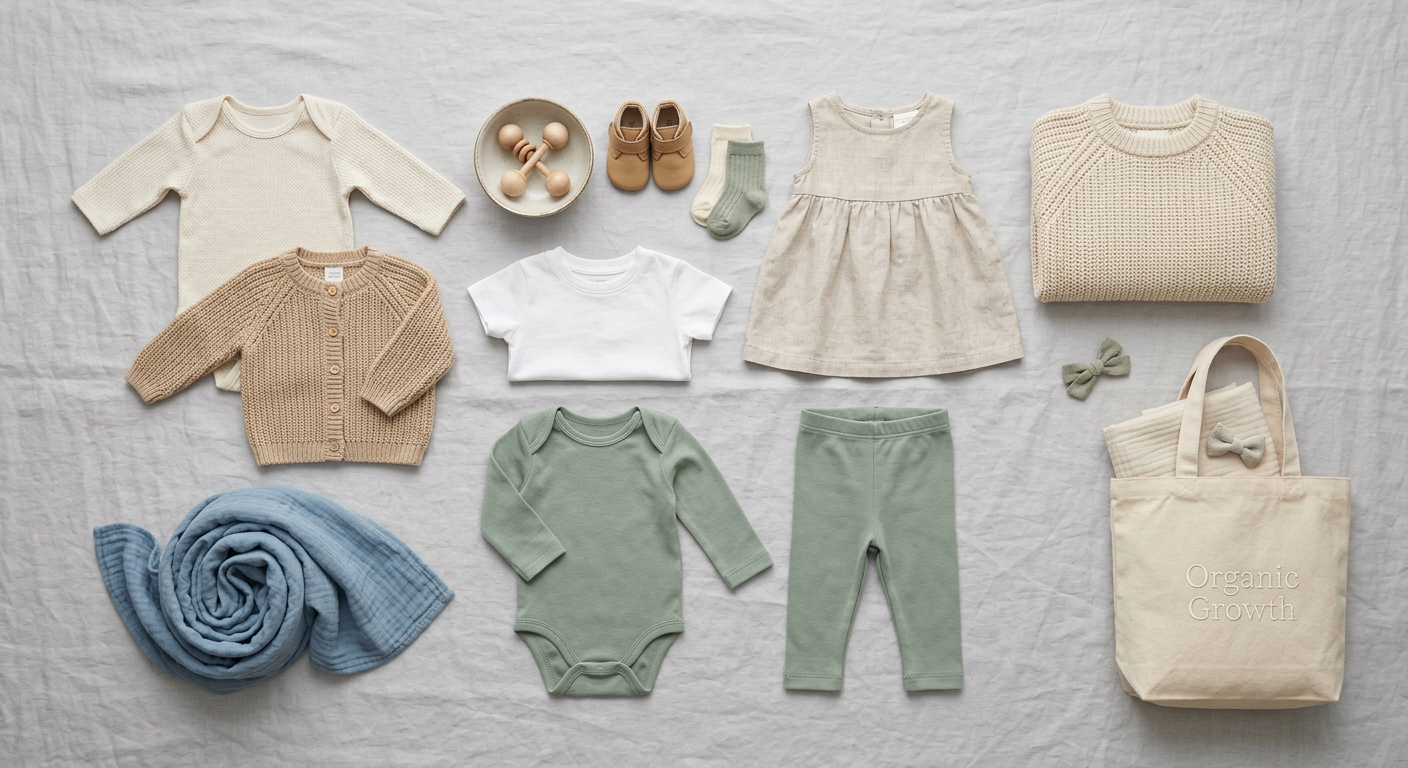
Fabric names are one thing. What matters at home is how the clothes actually wear. A few things I check before anything earns a spot in the rotation:
The short version: natural clothing for kids is less about the label and more about breathable fabrics your child actually wants to keep on.
Natural fabrics can cost 20 to 40% more upfront than synthetic alternatives. But the math often works out when you factor in durability. A quality organic cotton tee that lasts through two kids is cheaper per wear than a fast-fashion polyester piece that pills after five washes.
Think of it as investing in fewer, better pieces rather than constantly replacing cheap ones.
Your kids don't care about fabric certifications. They care about comfort, and natural fabrics give them plenty of it. By choosing cotton, linen, wool, or hemp, you're giving them clothing that feels better, lasts longer, and fits the values you're building your family around.
Want to dress the rest of the family the same way? Start with our crunchy mom style guide or learn what crunchy mom style means.
We launch March 16th! Get weekly blogs, family style tips, and be first to shop when we open.
Why organic cotton is a crunchy-mom staple: chemical-free clothes that breathe, last hundreds of washes, and come GOTS-certified from regenerative farms.
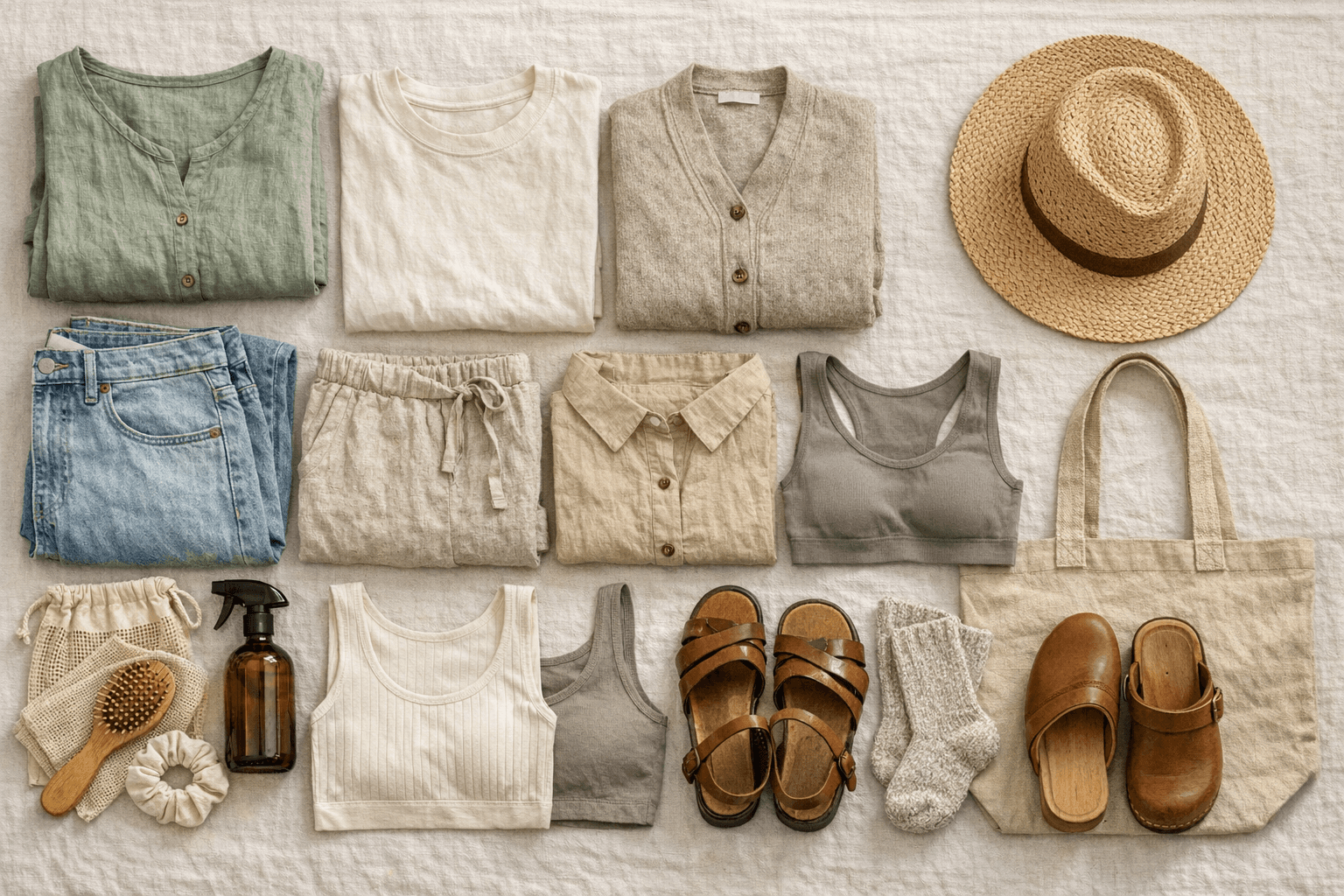
How to build a kids' capsule wardrobe for a homeschool family: how many pieces you need, what belongs in it, and why fewer organic basics make the day easier.
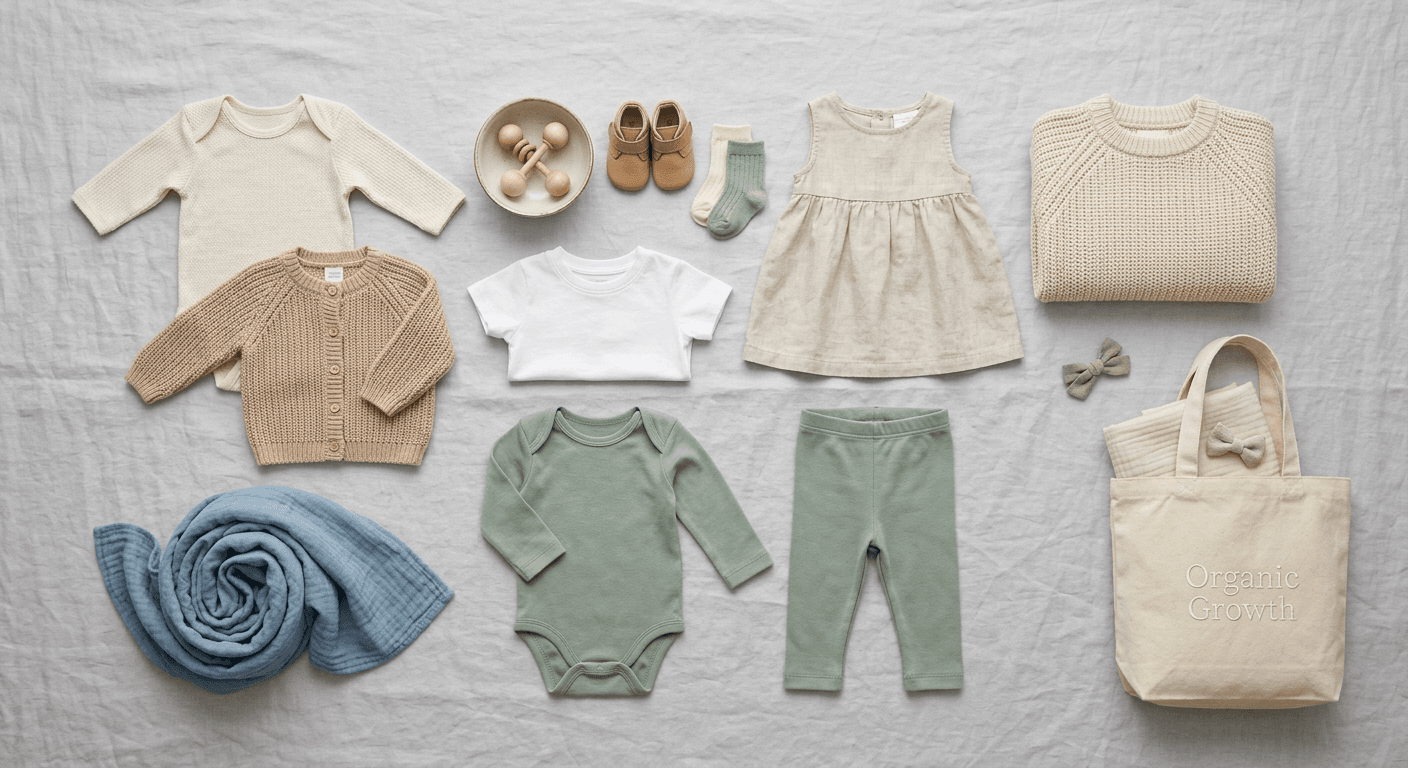
Ten real benefits of a natural fiber capsule wardrobe. It saves you time and money, cuts the clutter and the stress, and makes getting dressed easy every day.