
Fermented Foods for Gut Health: Sourdough & More
· 8 min read · Mama Fern Team
· 8 min read · Mama Fern Team
You already care about what goes into your body. You scan labels, choose organic when you can, and side-eye anything with a paragraph-long ingredient list. But there’s one simple shift that can quietly level up your family’s nutrition without making your life more complicated: fermented homemade foods.
Think: sourdough bread, yogurt, kombucha, kefir, sauerkraut, and fermented pickles that are alive with natural bacteria, not heat-sterilized, shelf-stable versions. These fermented foods for gut health do more than look cute in mason jars. They change the way your body digests, absorbs, and responds to the food you eat every day without purchasing some new, expensive supplement every month.
In this post, we’ll walk through:
If you’ve been curious about sourdough or other ferments, this is your gentle, non-intimidating guide.
At its core, fermentation is a natural process where beneficial bacteria or yeast break down sugars and starches in food. That’s it. No chemicals, no special powders. Just time, microbes, and real ingredients.
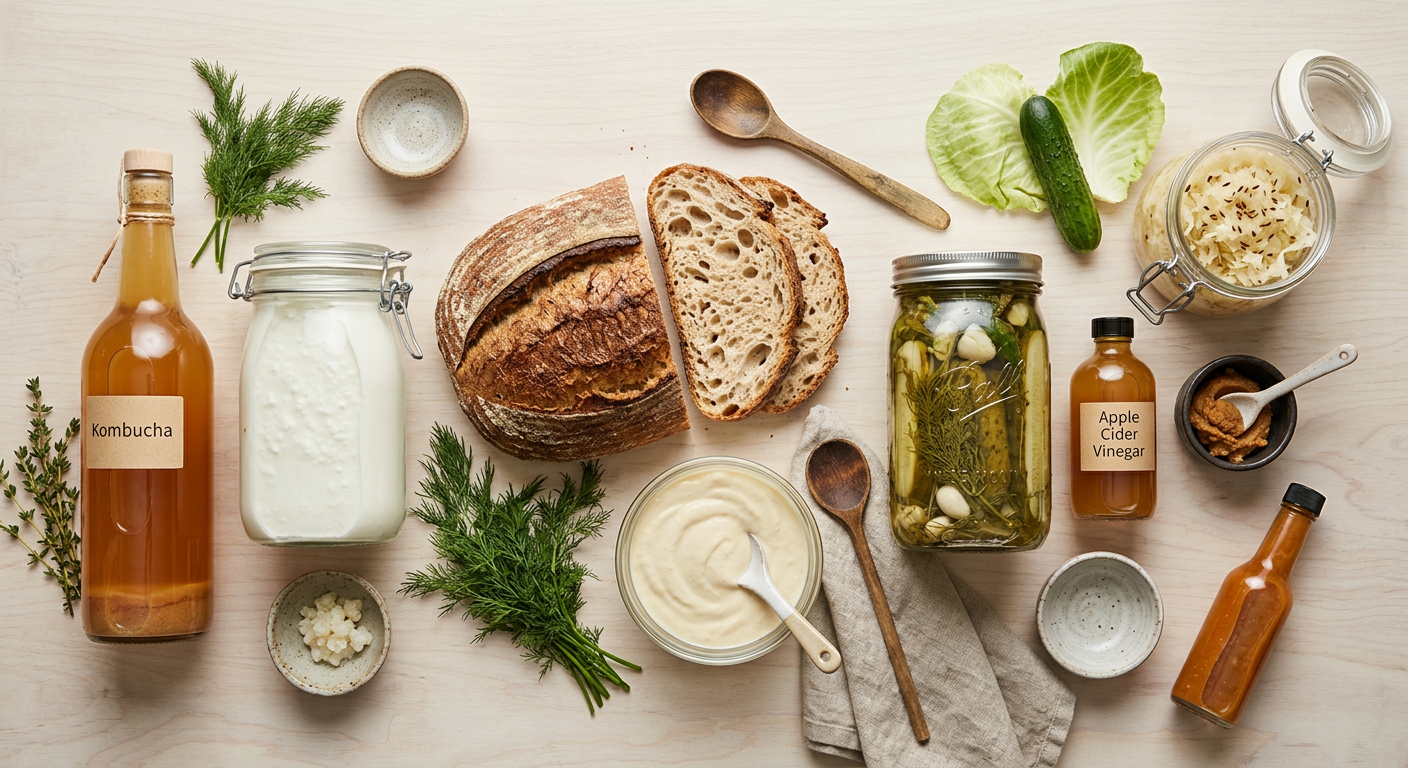
Common fermented foods include:
What makes homemade fermented foods special is that, when done safely, many are still “alive.” They contain active cultures that can support your gut in a way that highly processed foods just can’t.
One of the biggest benefits of fermented foods is their impact on your gut microbiome, the community of bacteria living in your digestive system. A healthy gut is linked to better digestion, more stable moods, and even stronger immunity.
Here’s how fermented foods for gut health make a difference:
When you eat fermented foods like yogurt, kefir, and raw sauerkraut, you’re getting vitamins and minerals, and you’re also feeding your microbiome. That’s why a simple habit like adding a spoonful of sauerkraut at dinner or swapping in a glass of kefir can have outsized effects over time.
Let’s talk about sourdough bread, because it might be the most delicious example of a fermented food.
Real sourdough is made from flour, water, salt, and a starter (a live culture of wild yeast and bacteria). During long fermentation:
What this means in real life:
Is sourdough a magic health cure? No. But when you choose a true sourdough loaf, especially if it’s fresh milled whole grain and homemade, you’re getting a bread that works with your body instead of against it.
For low-tox, ingredient-conscious moms, this is where “sourdough health benefits” stop being buzzwords. It’s a practical upgrade to something your family already eats: bread.
Another key topic people search for is “fermented foods for immune system support.” While nothing replaces sleep, movement, and overall nutrition, fermented foods can quietly support your immunity in a few ways:
This doesn’t mean that eating sauerkraut once will prevent you from getting sick. But adding small daily servings of fermented foods is a long-game strategy, like giving your immune system a better foundation to work from.
One underappreciated benefit of fermented foods is how they help your body access more nutrition from the same ingredients.
In grains, nuts, seeds, and legumes, compounds like phytic acid can bind to minerals and make them harder for your body to use. Traditional food cultures used soaking, sprouting, and fermenting to reduce these anti-nutrients long before we had the science to explain it.
Examples:
If you’re already paying extra for organic, it’s encouraging to know that fermenting at home helps you get more out of every bite.
If you’ve ever felt heavy or bloated after bread, beans, or certain vegetables, gentle fermentation might be exactly what your gut needs.
Why homemade fermented foods may be easier on digestion:
Again, this doesn’t make ferments a medical treatment or guarantee that everyone will tolerate them perfectly. But for many people, slowly adding small amounts of fermented foods can actually help their digestion feel calmer and more regular.
You can absolutely find some good options at the store, but not all fermented foods are the same.
When comparing homemade fermented foods vs store-bought:
Homemade:
You don’t have to make everything from scratch. Even introducing just one homemade fermented food, like sourdough bread or a simple mason jar of sauerkraut, can upgrade what your family is already eating.
If words like “culture,” “starter,” and “fermentation time” make you want to slam your laptop shut, here’s the good news: you can start incredibly small.
Here are realistic ways to begin adding fermented foods for gut health into your week:
Your goal is not to become a full-time homesteader (at least not overnight. I advise you to ease your husband into your crazy ideas so he doesn't foresee the chicken coop & goat barn build right away). It’s to fold one or two fermented foods into the rhythm you already have.
If your heart is already pulled toward:
…then adding fermented homemade foods is a natural next step.
Fermentation:
Sourdough in particular becomes more than a recipe; it becomes a little anchor in your week, a habit that supports your health, nourishes your family, and grounds your days in something tangible and good.
You don’t need to overhaul your pantry to experience the benefits of fermented foods. You can:
Over time, these small choices support your gut health, immune function, and nutrient absorption, while also nudging your home toward the slower, more intentional lifestyle you’re already building.
We launch March 16th! Get weekly blogs, family style tips, and be first to shop when we open.

Why organic cotton is a crunchy-mom staple: chemical-free clothes that breathe, last hundreds of washes, and come GOTS-certified from regenerative farms.
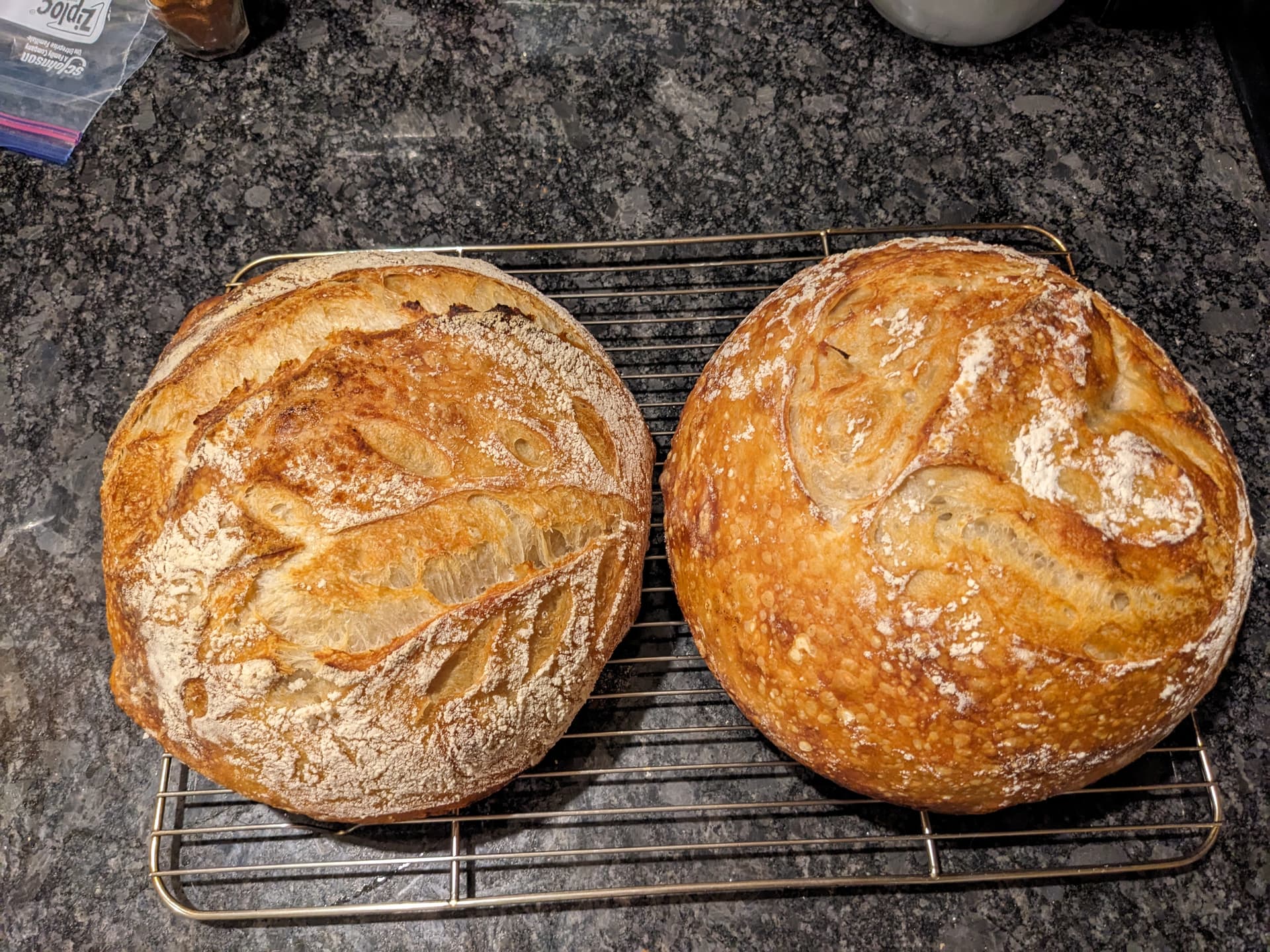
Bake hearty whole wheat sourdough with this beginner recipe (50 mins active). A long ferment yields gut-healthy loaves, plus why it beats store-bought.

How to build a kids' capsule wardrobe for a homeschool family: how many pieces you need, what belongs in it, and why fewer organic basics make the day easier.